
Alcohol can have many side effects on the body, including on the skin, immune system, and inflammatory responses in some people. One of the links you may notice is between psoriasis and alcohol use.
Does alcohol cause psoriasis flare-ups? Yes, it can. A study from the American Journal of Clinical Dermatology found that one-third of patients with psoriasis report difficulties with alcohol, and 15% of patients with alcoholic liver disease also have psoriasis. The study showed that the more alcohol patients with psoriasis consumed, the worse the condition got.
Why do psoriasis and drinking alcohol have this connection? Keep reading as we discuss all the details to help you make educated decisions for your health and well-being.
What is Psoriasis and What Triggers It?
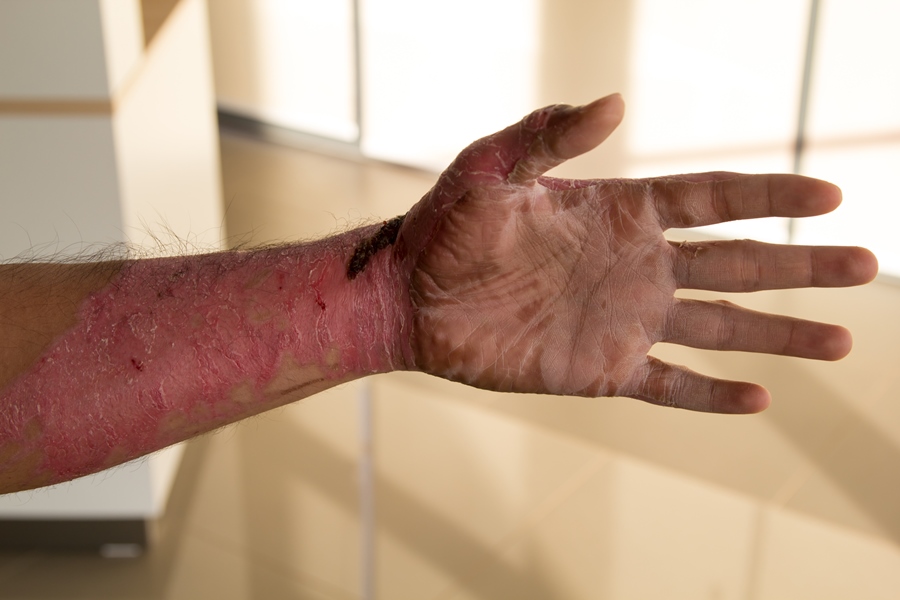
Psoriasis is a chronic autoimmune skin condition. It often appears as a rash or raised area of the skin that looks red and scaly. These irritated areas are referred to as plaques. They often form on the elbows, knees, scalp, and back. It can be painful, causing mild to severe discomfort depending on the person.
What Happens in the Body That Causes Psoriasis?
Psoriasis is caused by an immune system response where the cells grow and accumulate too quickly. It leads to inflammation in the skin tissues and rapid production of skin cells that causes the plaques to form.
Inflammation is a natural response from the body when it’s injured or in distress. For example, if you were to get a cut on your arm, the body would trigger an inflammatory response in that area to clean the wound, prevent infection, and send more white blood cells to heal the skin as quickly as possible.
However, people with psoriasis have their bodies trigger that response too often, and when it doesn’t need it. As a result, it causes an inflammatory reaction on the skin that can be painful and uncomfortable.
Common Psoriasis Triggers
Someone who has psoriasis will typically have a genetic predisposition to it, but it’s usually the most noticeable when they encounter certain triggers. Common triggers include stress, weather changes, sunburn, infections, injuries, certain foods and beverages (including alcohol), some medications, and smoking.
Getting Treatment for Psoriasis is Important
Getting psoriasis treatment is important because it can become more severe or lead to other health conditions if left unmanaged. Other health conditions psoriasis is linked to include:
- Psoriatic arthritis
- Cardiovascular disease
- Diabetes
- High blood pressure
- Inflammatory bowel disease (IBD)
- Cancer
- Kidney disease
- Liver disease
- Chronic obstructive pulmonary disease (COPD)
Each of these and several other health risks associated with ongoing psoriasis can significantly affect someone’s health and well-being in the long term, or even become life-threatening. Fortunately, the National Psoriasis Foundation states that treating psoriasis early lowers the risk of developing other related health conditions.
How Alcohol Affects the Body’s Inflammatory Response
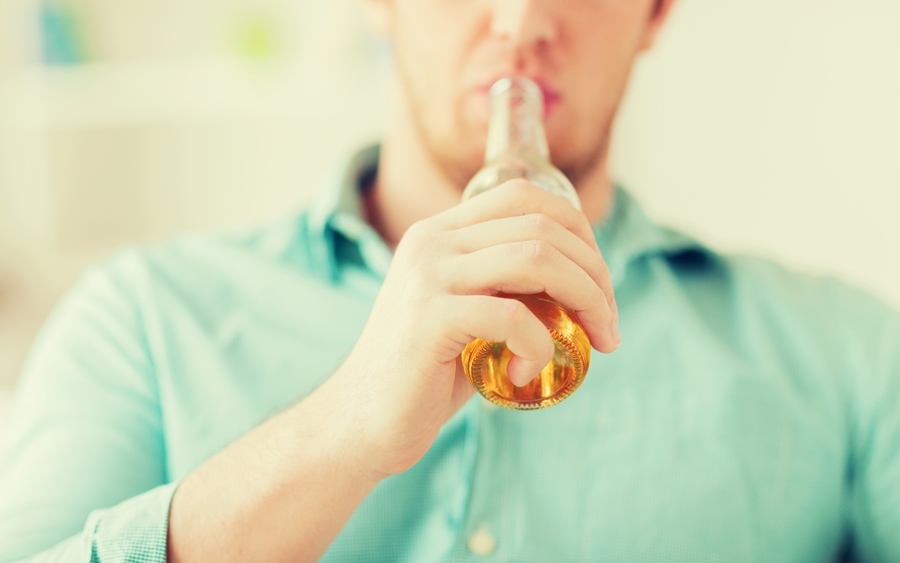
As mentioned, there’s a significant connection between alcohol and psoriasis. The main reason for that is because drinking can promote inflammation in the body.
The first reason why alcohol can have that effect is because of how it impacts the gut microbiome. When you drink, alcohol is first digested in the stomach before getting absorbed into the bloodstream.
That process is hard on the stomach, especially when you drink large amounts of alcohol, and can disrupt the balance of good and bad bacteria in your gut. It leads to a condition called dysbiosis, which rapidly multiplies the amount of bad bacteria and ends up resulting in inflammation as your body tries to fight the imbalance.
The second reason is because alcohol can trigger systemic inflammation. Once alcohol is in the bloodstream, it’s recognized as a toxin in the body. Its toxic effects are why it makes you feel drunk, but it’s also hard on your organs and cells. That will trigger an inflammatory response from your body since it perceives it as an infection or distress.
Alcohol, inflammation, and psoriasis are connected for those reasons. A study in March 2024 found that the more alcohol you consume, the more inflammation it’ll promote.
Alcohol and Psoriasis Flares – The Connection
A study from the Journal of Psoriasis found that a higher consumption of alcohol is associated with more frequent and more severe psoriasis flare-ups.
Therefore, continuing to drink large amounts of alcohol can make it hard to treat the condition. That’s why it’s often recommended to completely stop drinking or significantly reduce alcohol consumption during treatment, and it’s important to follow your doctor’s recommendations to reduce the risk of the condition worsening.
Why People with Psoriasis Are at a Higher Risk of Addiction
The National Psoriasis Foundation states that there is a link between psoriasis and substance use disorders, and one of the biggest connections between them is how Psoriasis affects mental health.
Psoriasis leads to higher-than-average rates of mental health conditions like depression and anxiety, and can also cause stress or embarrassment over how the condition affects someone’s appearance.
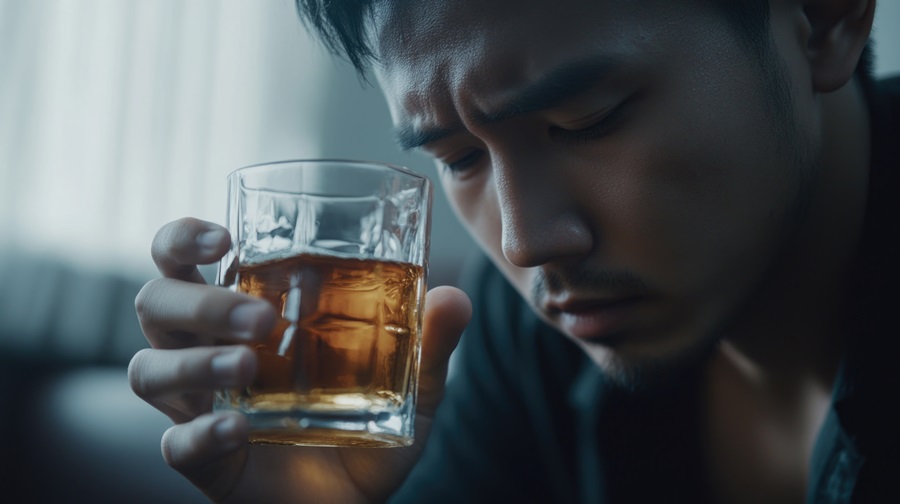
In several cases, it can make someone more likely to drink alcohol or use drugs to try to cope. However, drinking alcohol only leads to the psoriasis getting worse and can cause a bad cycle of drinking and then trying to manage skin and inflammation-related symptoms.
Other Skin Effects of Alcohol
In addition to psoriasis, alcohol is linked to several other skin effects, such as:
- Acne
- Rosacea
- Atopic dermatitis
- Skin tumors
- Skin flushing
The effects can range from mild to severe, depending on the individual side effect experienced. Therefore, it’s important to moderate alcohol use and consider how it’s affecting your well-being when you’re struggling with skin health or other health conditions.
Managing Psoriasis Without Alcohol
If you’re struggling with psoriasis flare-ups after drinking, it’s often necessary to cut out alcohol to see your condition improve. Most individuals who significantly reduce or quit drinking will see fewer psoriasis flare-ups and better treatment outcomes.
Additionally, making lifestyle changes, such as eating a healthy diet, drinking enough water, and reducing stress, can help improve symptoms.
When Alcohol Use Becomes Addiction
Since alcohol is such a common part of socializing, it can be easy for drinking to get out of hand and not realize it. Alcohol is an addictive substance like other recreational drugs, so it’s important to pay attention to your relationship with alcohol when health conditions arise that are triggered by drinking.
Some common signs to look for that regular alcohol use is becoming addiction are:
- Continuing to drink despite negative consequences it’s causing in your life
- Trying to stop drinking or cut back, and not being able to
- Having alcohol use affect your relationships, work performance, or financial situation
- Experiencing withdrawal symptoms when you stop drinking, such as shaking, fatigue, or agitation
- Withdrawing from activities you used to enjoy
- Feeling preoccupied thinking about getting alcohol or finding opportunities to drink
When you or a loved one is experiencing any of these signs, it may be a sign of a deeper problem that requires treatment. Alcohol addiction can affect psoriasis and many other parts of your life, so it’s important to get treatment as soon as possible to recover.
How Genesis House Can Help
When you’re struggling with a drinking problem that’s contributing to psoriasis, we offer treatment options that can help at Genesis House.
Genesis House is a drug and alcohol treatment center. We offer evidence-based medical detox, inpatient, and outpatient treatment programs built to help you achieve lasting sobriety.
All our solutions are customized to your needs. Whether you’re struggling with alcohol-related skin conditions, need to make lifestyle changes, or respond better to certain types of therapy, we can come up with a plan that helps you manage everything effectively for ongoing success.
You don’t have to let alcohol use keep triggering psoriasis and affecting your life. Contact us today to see how our treatment options at Genesis House can help.
References
- Kearney, Nora, and Brian Kirby. Alcohol and Psoriasis for the Dermatologist: Know, Screen, Intervene. Vol. 23, no. 6, 23 Aug. 2022, pp. 881–890, doi:10.1007/s40257-022-00713-z. https://pmc.ncbi.nlm.nih.gov/articles/PMC9576661/
- “What Are the Related Medical Conditions of Psoriasis?” https://www.psoriasis.org/related-conditions/
- Tharmalingam, Jayaraman, et al. “Impact of Alcohol on Inflammation, Immunity, Infections, and Extracellular Vesicles in Pathogenesis.” Cureus, vol. 16, no. 3, 25 Mar. 2024, doi:10.7759/cureus.56923. https://pmc.ncbi.nlm.nih.gov/articles/PMC11043057/
- Svanström, Caroline, et al. “Psoriasis and Alcohol.” Psoriasis: Targets and Therapy, vol. 9, Aug. 2019, pp. 75–79, doi:10.2147/ptt.s164104. https://pmc.ncbi.nlm.nih.gov/articles/PMC6709030/
- “When Psoriasis Impacts the Mind.” https://www.psoriasis.org/advance/when-psoriasis-impacts-the-mind/